
























Top 10 Most Aesthetic Jewelry Displays for Boutiques
Top 10 of the most aesthetic jewelry displays
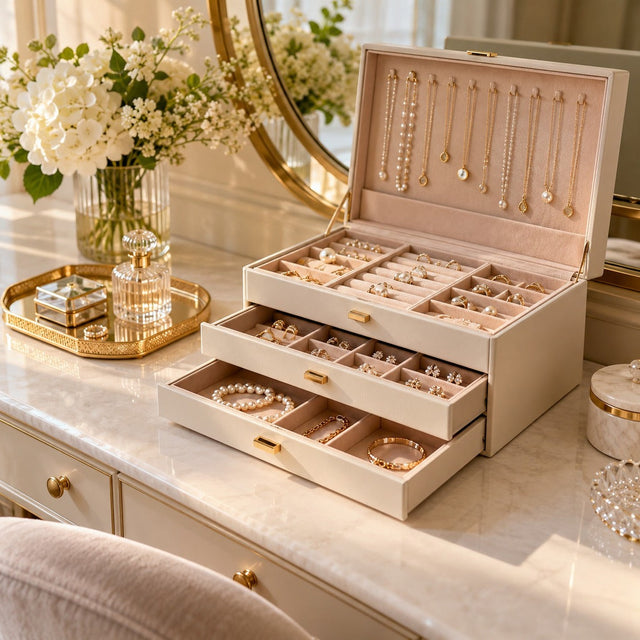
A jewelry store is no longer distinguished solely by the quality of its pieces: display has become a sales argument in its own right. Choosing aesthetic jewelry displays for your store means creating a visual experience, sparking desire, and justifying the price positioning of your creations.
This top 10 selects the trendiest and most effective supports at the moment.

The criteria for an aesthetic display in-store
Four key criteria stand out: material, proportions, palette, and modularity. The best displays combine these four dimensions and know how to evolve with your seasonal collections.

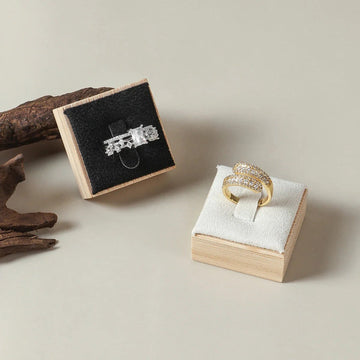
1. The prestige black velvet display
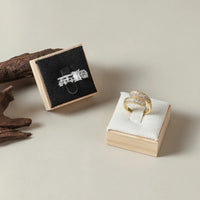
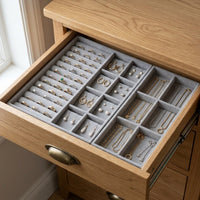
Unbeatable. Black velvet absorbs light, creating a neutral and dramatic background that literally makes gold, silver, and precious stones sparkle.

2. The marble and brass tray

The meeting of mineral and metal. A veined white marble tray enhanced with brushed brass inserts immediately evokes contemporary luxury.
3. The clear acrylic display
For a sleek, contemporary, almost scenographic store, clear acrylic is unbeatable. The jewelry seems to float in the air, without visual rivalry.

Give your store the setting it deserves
Our collection of aesthetic jewelry displays.
View the collection4. The matte ceramic necklace bust

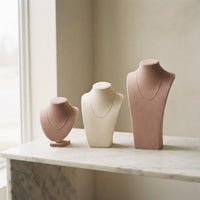
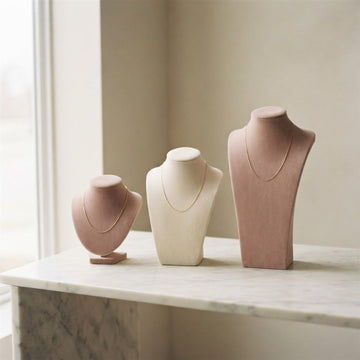
The ceramic necklace bust is one of the most expressive supports for showcasing pendants, sautoirs, or chokers.
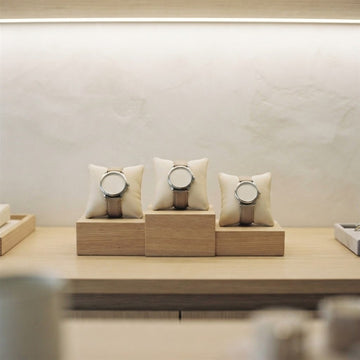
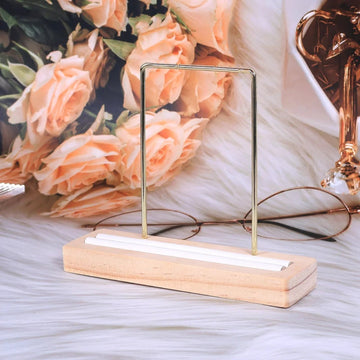
5. The Scandinavian light wood display
Light wood (oak, beech, or ash) offers a natural warmth that balances sometimes cold modern atmospheres. Ideal for handcrafted jewelry.

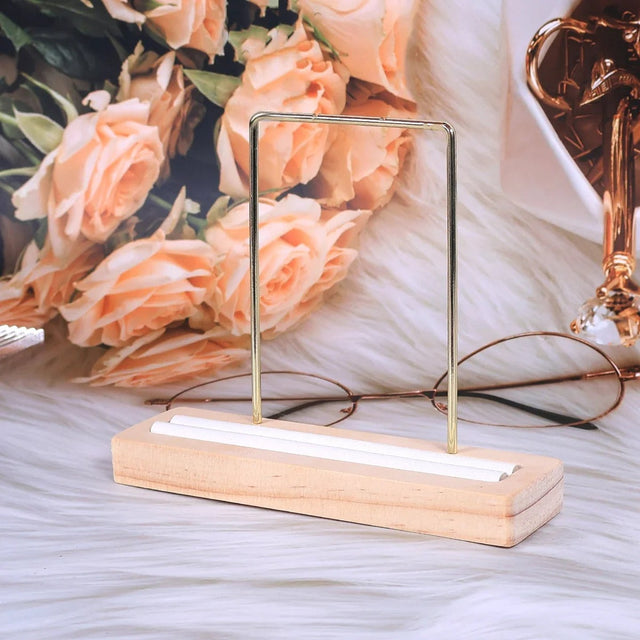
6. The necklace arch display
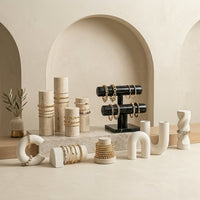
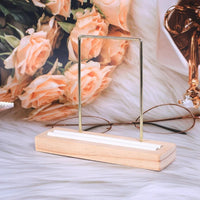
The arch has become the favorite of merchandisers in recent years. Its curved shape draws the eye and allows several necklaces to be hung without tangling.

7. The mini glass cloche display
The glass cloche transforms a piece of jewelry into a museum piece. Perfect for highlighting a unique creation.
8. The organic stone displays

Marble pebbles, raw slate, travertine slabs. These supports bring a mineral touch that flatters semi-precious stone jewelry.
9. The geometric modular system

Modular displays (cubes, prisms, stackable triangles) allow you to create a custom display and renew it at will.
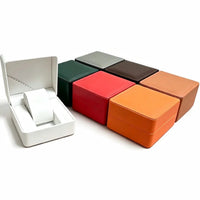
10. The pastel colored velvet
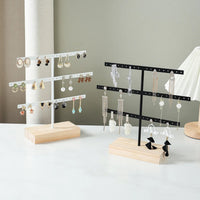
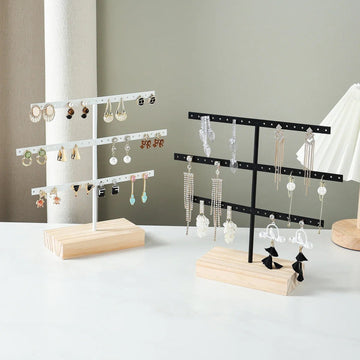
Sage green, powder pink, glacier blue, terracotta. Colored velvet has become a must-have for contemporary stores. Perfect for earring displays.

Comparison table of the 10 styles
| Style | Store aesthetic | Jewelry enhanced | Price level |
|---|---|---|---|
| Black velvet | Luxury jewelry store | Gold, precious stones | €€ |
| Marble + brass | High-end contemporary | Fine jewelry | €€€ |
| Acrylic | Minimalist, concept store | All types | € |
| Matte ceramic | Boho chic, designer | Necklaces, pendants | €€ |
| Light wood | Scandinavian, eco-responsible | Handcrafted, raw stones | € |
| Metal arch | Modern graphic | Necklaces | €€ |
| Glass cloche | Exceptional piece | Unique creation | €€ |
| Raw stone | Natural, handcrafted | Semi-precious stones | €€ |
| Geo modular | Fine jewelry | All types | €€ |
| Pastel velvet | Contemporary pop | Silver, light stones | € |
How to choose based on your store's aesthetic
Traditional high-end jewelry store
Bet on black velvet, marble, and the glass cloche for a cozy atmosphere.
Designer store or concept store
Combine light wood, matte ceramic, raw stones, and metal arches for a handcrafted atmosphere.
Pop-up store, pop-up shop, and craft markets
Favor acrylic and pastel velvet: lightweight, portable, and easy to assemble.
Online store and product photos
Marble, velvet, and acrylic are the favorites for photoshoots.

Create the display of your dreams
Browse our selections of necklace busts and bracelet displays.
Discover all displaysA few golden rules for a display that converts
Work with heights, group by family, follow the "less is more" rule, and pay attention to lighting.
Why a beautiful display enhances your creations
Display has become a sales argument in its own right: it creates desire and supports the positioning of your creations. A piece of jewelry placed on a carefully chosen support is perceived as more valuable than a piece of jewelry lying flat on a counter.
What does the customer see first?
Before the jewelry itself, the customer sees the whole: the colors, the light, the arrangement of the supports. In a few seconds, they get an idea of the store's level, and it is this impression that decides whether they approach.
How does a display enhance a piece of jewelry?
It isolates the piece, gives it height, a background, and a frame. The jewelry becomes an object that is looked at, and no longer an object among others.
A support that is too flashy has the opposite effect: it distracts the eye. A good display serves the jewelry, it does not compete with it.
Should you show a lot of jewelry at once?
No: an airy display enhances better than a crowded display. Leave space around each flagship piece and group the others by family, as advised by the golden rules above.

Lighting your displays: temperature, angle, and reflections
A beautiful display loses half its impact if it is poorly lit. Light reveals texture, brings out the facets of stones, and determines the perceived color of the metal.
What light temperature is best for gold and silver?
As noted in the FAQ, warm light between 2700 and 3000 K enhances gold, while a more neutral light around 4000 K flatters silver and light-colored stones. Do not mix the two temperatures in the same display case: the eye immediately notices the difference.
The color rendering index (CRI) is just as important as the temperature. A CRI above 90 faithfully reproduces the red of a ruby or the green of an emerald.
Where should spotlights be placed to avoid glare?
Aim the spotlights at about a 30-degree angle above the eye line, never directly at the customer. A light source that is too frontal creates a white reflection on glass, acrylic, and polished marble.
Against a black velvet background, a spotlight positioned slightly higher makes the facets sparkle without illuminating the fabric, which remains deep in color.
How to avoid cast shadows on displays?
Use multiple light sources rather than increasing the power: two crossed spotlights soften the shadows that a single light would cast on the base. Also check that a tall support does not block the light intended for the adjacent support.

Mixing materials and colors without clashing
The top 10 does not tell the whole story: an isolated display is beautiful, but it is the harmony of the whole that makes the display case. Two simple rules prevent clashing: limit the materials and unify the palette.
How many materials should be mixed in a single display case?
As noted in the FAQ, two to three materials at most yield the best results. Choose a dominant material, an accent material, and, if necessary, a transparent material to lighten the overall look.
What velvet color suits which jewelry?
Black velvet enhances gold, silver, and precious stones, as we have seen above. Pastel shades (sage green, powder pink, glacier blue) flatter silver and light-colored stones, while terracotta warms up gold jewelry.
How to combine a classic style with a modern style?
Keep one thing in common: a base color, a metal family, or the same height. The black velvet of a traditional jewelry store pairs very well with a matte metal arch, provided you use the same color or finish elsewhere.
What setting suits which displays?
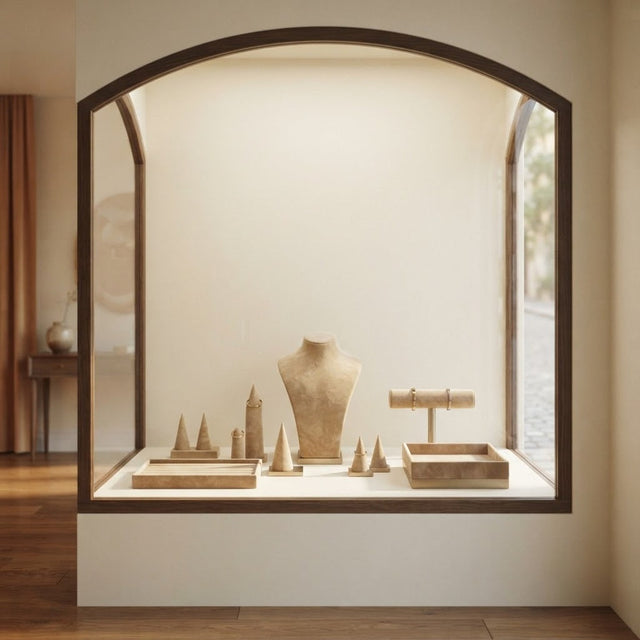
The diagram below provides an overview of the combinations recommended above according to your store's setting.
Adapting your displays to the seasons and holidays
The best displays know how to evolve with your seasonal collections. Rather than buying everything new, you can change the atmosphere with small touches: a velvet color, a tray, an arch.
What atmosphere suits which season?
| Season | Atmosphere | Recommended displays |
|---|---|---|
| Spring | Fresh and bright | Pastel velvet, acrylic, light wood |
| Summer | Airy and natural | Light wood, raw stone, acrylic |
| Autumn | Warm | Deep colored velvet, matte ceramic, brass |
| Winter and holidays | Cozy and precious | Black velvet, marble, glass cloche |
How to change the atmosphere without replacing everything?
Keep a neutral base (black velvet, acrylic, light wood) and vary a single element each season. The modular systems mentioned in the top 10 are perfect for this: you rearrange the same pieces in a different way.
How to avoid a cluttered look?
A holiday display does not need more supports, but more precision. Remove one piece every time you add one: the "less is more" rule applies all year round.
Equipping your store step by step
Equipping an entire store at once is neither necessary nor desirable. It is better to proceed step by step, observing what works for your customers.
- Define the setting: a palette and two or three materials.
- Equip the display case: it is the first image passersby see.
- Complete the counter and walls with smaller supports.
- Refresh with small touches, season after season.
Where to start: the display case or the counter?
Start with the display case: it is what determines whether people enter the store. The counter comes next, with smaller supports for impulse purchases.
How to make your investment pay off?
A well-chosen and well-maintained display will serve for years, and its cost is spread over this entire period. Choose durable materials and pieces that you can reuse from one collection to the next.
Should you buy displays in bulk?
Instead, take one support from each family to test the effect in the display case, then complete what works. Velvet displays, acrylic displays, and stone displays allow you to create these arrangements without committing the entire store.

Five mistakes to avoid with beautiful displays
Even the most beautiful supports lose their impact when they are used incorrectly. Here are the most common mistakes, and how to correct them.
Mixing too many styles
Velvet, marble, wood, acrylic, stone, and metal in the same display case: the eye no longer knows where to rest. Stick to two or three materials at most.
Overloading each support
A support covered with ten pieces of jewelry no longer shows any of them. It is better to have a few carefully chosen pieces per support: this is what creates the effect of exceptional jewelry.
Forgetting about height
Supports that are all at the same height create a flat display. Mix small, medium, and tall ones, as shown in the diagram above.
Neglecting the lighting
A poorly aimed spotlight creates glare and shadows. Refer back to the temperature and angle guidelines above.
Leaving a worn-out support
Dusty velvet or scratched acrylic is enough to dull the overall impression. Regular maintenance is part of the presentation.
Maintaining your beautiful displays
A beautiful display only stays that way if it is maintained. Dust on black velvet, fingerprints on acrylic, or on marble dull the most carefully arranged display.
What to do for each material?
- Velvet: use an adhesive roller in the direction of the nap.
- Acrylic: use a microfiber cloth and a suitable cleaner; never use alcohol.
- Marble and stone: use a slightly damp microfiber cloth and dry immediately.
- Wood: use a soft cloth without direct water.
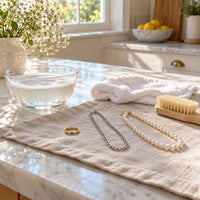
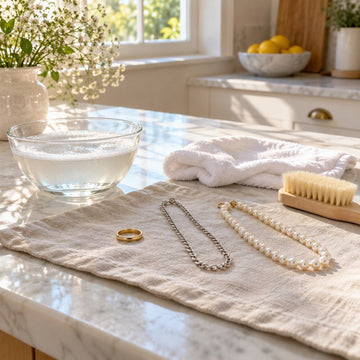
Our guide on how to clean and maintain your jewelry displays details each material step by step.
When to replace a display?
Flattened velvet, scratched acrylic, or chipped varnish are immediately noticeable. It is better to replace the support than to display jewelry on a worn-out piece.
How to protect your displays in the display case?
Avoid direct sunlight, which fades fabrics and yellows acrylic, and protect stone bases with small felt pads.
Our favorite products for an attractive store
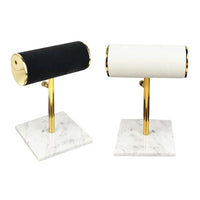
Four displays from the store, in velvet, stone, marble, and cream fabric, to create a display case in the spirit of this top 10.
 High-End Black Velvet Necklace Bust Display
 Marble Ring, Earring, Bracelet Tray
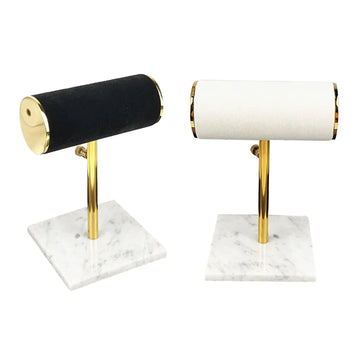
 T-Shaped Marble Bracelet, Necklace, Watch Display
 Square Velvet Jewelry Tray for Display Case Storage
Explore our ring displays, necklace displays, and our article on creating an elegant jewelry display case.
FAQ
What is the trendiest display for 2026?
The matte metal arch paired with pastel-colored velvet currently dominates designer display cases.
How much should I invest in displays for a store?
Budget around €1,000 to €3,000 to equip a medium-sized jewelry store.
Should I choose identical or varied displays?
Strong stylistic consistency (two to three materials at most) with varied heights yields the best results.
Is black velvet suitable for a modern store?
Yes, provided you pair it with contemporary materials (brass, marble, acrylic).
How should I light these displays?
Adjustable LED spotlights with a CRI above 90, at 2700–3000 K for gold and 4000 K for silver.
What size display should I choose for a display case?
Mix small supports (8–12 cm), medium supports (15–20 cm), and one or two taller elements (25–35 cm).
Can I mix several display styles?
Yes, provided you unify the color palette or dominant materials.
What display should I choose for fine, delicate jewelry?
The marble and brass tray and transparent acrylic highlight fine jewelry without competing with it. Keep a calm background and soft lighting.
How to showcase semi-precious stone jewelry?
Mineral supports (raw stone, slate, travertine) and light wood extend the material of the stones. Avoid overly busy backgrounds that compete with their colors.
What displays are best for online jewelry photos?
Marble, velvet, and acrylic are the most popular supports for photoshoots: neutral backgrounds, controlled reflections, and well-defined jewelry.
How to maintain a black velvet display?
Use an adhesive roller in the direction of the nap every week, and brush gently if the velvet becomes flattened. Never soak the fabric.
Get our next articles
Tips, guides and new arrivals, straight to your inbox.