
























Displaying necklaces effectively: busts, mannequins and stands
How to display necklaces beautifully: busts, mannequins, and stands
Necklaces are probably the trickiest pieces of jewelry to display. Laid too flat, they lose their volume; hung incorrectly, they get tangled. Choosing the right necklace display stand makes all the difference: it shows how the chain hangs, highlights the pendant, and makes it easier for customers to buy.
Here’s an overview of the essential display stands and best practices for an impeccable display case.
Here’s how to display your necklaces methodically: choose a stand to suit the chain length, pay attention to the material and background, then give each piece the right place in your display case.

The bust: classic elegance
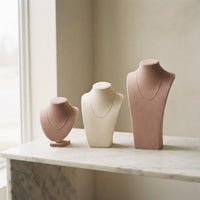
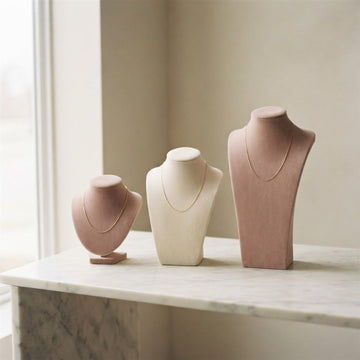
The bust remains the go-to choice for displaying a necklace as it would be worn. It shows the piece’s volume, length, and natural drape.
- Advantages: realistic appearance, ideal for statement necklaces and large pieces.
- Materials: velvet for a luxurious look, linen for a natural feel, resin for a modern design.
- Tip: vary bust heights to display different lengths without overlap.
The mannequin and necklace display stand
A more stylized option, a mannequin or necklace display stand adds a fashion-forward touch and lets you layer several necklaces for an on-trend look.
- Advantages: contemporary look, perfect for showcasing a trend or a design.
- Use: ideal for makers who want to tell a style story.
- Tip: limit the display to two or three layered necklaces so each piece remains easy to see.

Vertical necklace stands and jewelry trees
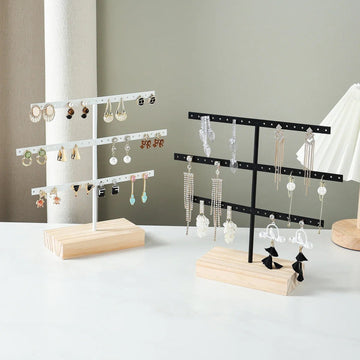
Vertical stands and jewelry trees are perfect for displaying several necklaces in a small space. They hang the chains side by side without tangling.
- Advantages: space-saving and a clear way to display several designs.
- Use: ideal for a countertop or a full collection.
- Tip: arrange by length or color for a neat display.
Angled stands and trays
Angled display stands hold the necklace flat but at a slight incline, highlighting the pendant while preventing tangles. Slotted trays keep each chain in place.
- Advantages: the pendant is easy to see; practical for assisted sales.
- Use: perfect in a low display case or under glass.

Avoiding tangles: simple tips
Tangled chains are the number one enemy of necklace displays. A few simple rules can prevent them:
- Always fasten the clasp when displaying a necklace.
- Leave enough space between hanging pieces.
- Use a separate stand for each delicate, valuable chain.
- Store necklaces flat or hanging, never in a pile.
Coordinating your display stands
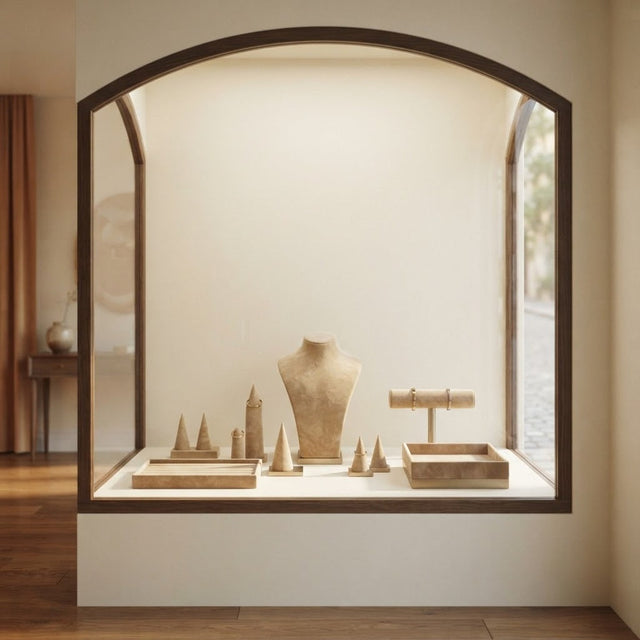
For a professional display case, coordinate your busts, mannequins, and necklace stands: use the same material and color palette. This consistency creates a polished look and reinforces your brand identity. Then vary the heights to add visual interest.

How to display necklaces of different lengths
A necklace’s length determines the right stand. A choker and a long necklace need different heights: putting them on the same bust would hide one of them. Here are some general guidelines to help you choose the right stand.
Chokers and princess-length necklaces: which stand should you choose?
A choker, around 35 to 40 cm, is displayed on a short bust or a neck form, where it sits at the base of the throat. A princess necklace, around 43 to 48 cm, falls onto the collarbone: a classic bust suits it very well.
In both cases, make sure the pendant stays centered and visible from the front. A necklace that’s too short for its stand rides up, twists, and loses its shape.
Matinee and opera lengths: do you need a tall bust or a hanging stand?
Lengths of 50 to 60 cm (matinee) and 70 to 90 cm (opera) need height. A tall bust, a vertical necklace holder, or a tree lets the chain hang without folding.
If the chain touches the base, it may coil and leave a crease. Leave a few centimeters of clearance below the last link so the necklace hangs naturally.
How do you display a long necklace without tangling it?
A lariat, from 90 cm and up, is displayed on a tall stand or doubled over a hook. It can also be draped in two or three loops on a bust, as long as it stays easy to read.
Stick to one hook per necklace: it’s the best way to prevent knots, as mentioned in the tips for avoiding tangles.
How do you display a multi-strand necklace or a bib necklace?
A multi-strand necklace or bib necklace covers the upper bust, so it needs a wide stand with an open neckline. Make sure each strand stays visible and doesn’t overlap the others.
If the piece is heavy, choose a bust with a stable base: a lightweight stand could tip forward.
How do you display necklaces of different lengths together?
Arrange the stands at staggered heights, like steps: the shortest in front and the longest at the back. This helps each necklace stand out.
A gap of ten to fifteen centimeters between neighboring stands keeps the chains from touching.
Which material and background color will best showcase a necklace?
The stand is part of the display. Its material and color can make a necklace shine—or make it fade into the background. The table summarizes the most common effects.
| Stand material | Effect | Best for |
|---|---|---|
| Velvet | Luxurious, soft texture, absorbs reflections | Fine jewelry, light-colored stones |
| Linen or canvas | Natural, matte finish | Artisan and designer jewelry |
| Wood | Warm, visible grain | Pendants, beads, fine chains |
| Metal | Contemporary, lightweight | Costume jewelry, fashion collections |
| Resin | Modern design, smooth surface | Trend-led collections (watch out for reflections) |
Light or dark background for a gold necklace?
A dark background (black, deep green, or midnight blue) makes gold and light-colored stones stand out. A light background (ecru or beige) brings out silver, pearls, and colorful jewelry.
Avoid backgrounds in the same shade as the metal: the jewelry will blend in and the chain will disappear.
Should you choose a matte or glossy background?
Matte is the safest choice: it won’t reflect the spotlights and keeps the focus on the jewelry. A glossy background, such as lacquered resin, reflects the lighting and can make it harder to see the stones clearly.
If in doubt, test the stand under the display case’s actual lighting before ordering the full range.
How do you care for velvet and fabric stands?
Dust regularly with a soft brush or lint roller, without rubbing. A grimy fabric gives a neglected impression, even if the jewelry is flawless.
Store the stands away from direct light, which can fade dark colors over time.

Where to place necklaces in a display case or on a market stall
Even a beautiful stand can go unnoticed if it’s poorly placed. Position matters just as much as choosing a bust or jewelry tree: it determines what customers see first.
At what height should you display necklaces?
The eye is drawn first to eye level. That’s where you should place your most desirable necklaces. Use the upper part of the display case to attract attention from a distance, and the lower part for simpler or restock pieces.
How do you light a necklace without unwanted reflections?
A warm, directional spotlight placed above and slightly to the side brings out the bust’s shape and makes the stones sparkle. Front lighting flattens the piece and creates reflections on the glass.
Avoid mixing warm and cool lights in the same display case: they can distort the true colors of gold and silver.
How many necklaces should you display at once?
Give each piece room to breathe: leaving about a hand’s width between stands prevents a cluttered look. It’s better to display fewer pieces and rotate the designs than to show everything at once.
At a market stall, group three to five necklaces around a central bust to give the eye a clear focal point.
Should you change your display with the seasons?
Refresh part of your display regularly: a display that never changes eventually goes unnoticed. Swap out two or three pieces at a time, not everything.
Note which necklaces catch the eye and keep them at the front for longer.
Bust, mannequin, jewelry tree, or tray: how to choose a necklace display stand
Each type of stand suits a different situation. The easiest approach is to start with what you’re displaying, then consider the space you have available. The table compares the four types covered in this article.
| Stand | Main advantage | Limitation | Ideal for |
|---|---|---|---|
| Bust | Volume and natural drape | Takes up space | Bulky pieces, display case |
| Mannequin or neck form | Style and layering | Requires space | Fashion collections |
| Tree or vertical necklace holder | Space-saving | Each piece is less isolated | Complete ranges |
| Slanted or slotted tray | Pendant clearly visible | Less volume | Counter, assisted sales |
Which display should you choose when you're just starting with a few pieces?
With five or six necklaces, one bust and one tree are enough. The bust draws the eye, while the tree holds the rest. Add more displays as your collection grows.
Can you mix different types of displays?
Yes, it's even recommended: a volume display, a height display, and a flat display create rhythm. Keep the same material and color palette so the overall look remains cohesive.
Just avoid using more than three families of displays in the same display case, or you risk diluting the message.
When should you choose a tray over a bust?
When the display case is low, when the necklaces are delicate, or when sales are assisted: the customer can see the pendant, and the salesperson can take out the piece without moving an entire bust.
The bust takes over as soon as the piece needs to be seen worn, showing its drape and volume.
Market, boutique or online photos: adapting the display of your necklaces
The same necklace is not displayed the same way at a market, in a closed display case, or in a photo. The setting imposes its own constraints: wind, lighting, viewing distance.
| Setting | Recommended display | Key consideration |
|---|---|---|
| Market stall | Stable bust and lightweight tree | Wind, quick setup, transport |
| Boutique or display case | Busts of varying heights, trays under glass | Lighting and reflections |
| Online photos | Bust or neck form on a plain background | Soft light, close-up on the pendant |
How to set up your necklaces on a market stall?
Choose stable, lightweight displays that are quick to disassemble. A plain background fabric hides creases on the table and unifies the stall. Fasten each necklace so that wind or passersby do not tangle it.
Provide a small mirror: the customer will want to see how the necklace looks on them before deciding.
How to photograph a necklace on its display?
A plain background, soft window light, and a close-up on the pendant are all you need. Place the necklace on a bust or neck form rather than flat: it will retain its shape and look as if it's being worn.
Add an overall shot of the piece to show its scale.
How to store your necklaces between events?
Disassemble the displays, then store each fastened necklace flat in a pouch or separate compartment. Protect the busts in soft fabric to prevent marks and dust.

Our favorites: four necklace displays to discover
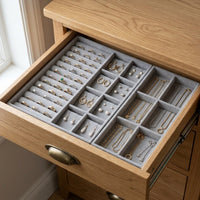
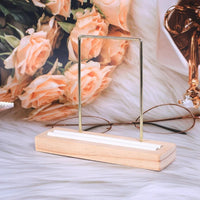
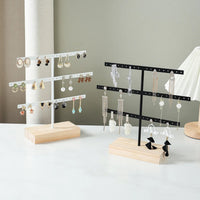
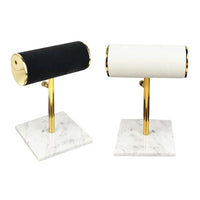
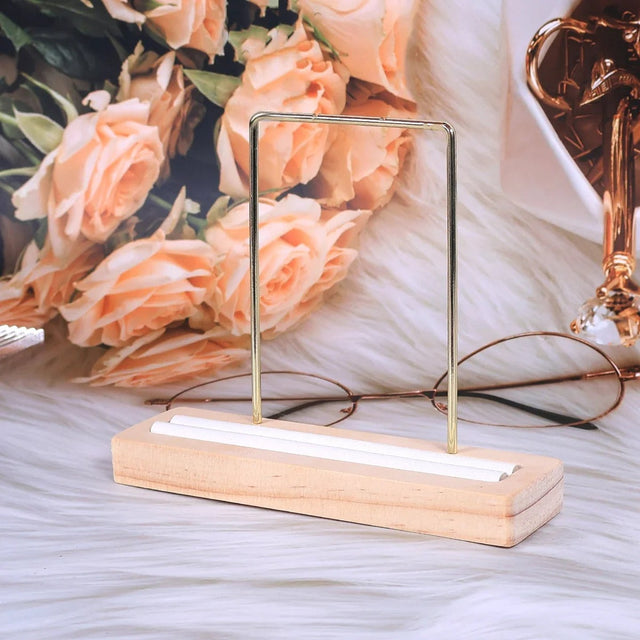
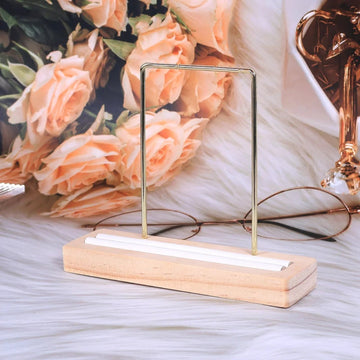
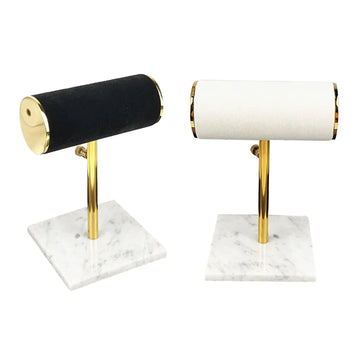
Four models illustrate the main families of displays: the velvet bust for the chain's drape, the two-tier display for several delicate necklaces, the bust on a gold stand with its T-bar, and the hexagonal holder for pendants.


To browse the full range, visit the necklace and chain display and jewelry bust collections.
Frequently asked questions about displaying necklaces
Which display should you choose for a necklace with a large pendant?
A bust or slanted display: they show the pendant from the front and support it without letting it pivot. Avoid thin hooks, which make it tilt and bend the chain.
How to prevent delicate chains from tangling on a display?
Fasten the clasp, use one hook per necklace, and space the pieces out. Always store necklaces flat or hanging, never loosely in a drawer.
How many necklaces can you layer on a mannequin?
Two or three are enough. Choose well-spaced lengths (short, medium, long) so that each pendant remains visible without touching the one next to it.
Should necklaces be displayed fastened or open?
Fastened: the attached clasp keeps the chain in shape, prevents it from slipping off the display, and reduces tangling when you put it away.
What bust height is best for a long necklace?
A tall bust or vertical display. The chain should hang freely, without touching the base, with a few centimeters of space below the last link.
Is a velvet bust easy to clean?
Yes, with a soft brush or lint roller, tapping rather than rubbing. Avoid water, which leaves rings on the fabric.
Can you display necklaces without a bust?
Yes: a tree, bar, or slanted tray is enough. The bust remains useful for showing the drape, but it is not essential for a neat display.
How to choose the color of the display for a wide variety of necklaces?
Choose a neutral shade (ecru, gray, black): it lets each piece stand out. Bright colors are best reserved for a single statement display, not the entire display case.
How to display necklaces in a small space?
Focus on height: a tree or vertical necklace holder suspends several chains side by side over just a few centimeters of counter space. Arrange them from shortest to longest.
Conclusion
Busts, mannequins, vertical necklace holders, or slanted displays: each type of display meets a specific need. The main thing is to reveal the chain's drape, highlight the pendant, and prevent tangling. By combining displays cohesively, you give your necklaces an irresistible presentation.
Discover all our necklace and jewelry displays to create the perfect display case.

Get our next articles
Tips, guides and new arrivals, straight to your inbox.