
























Organizing Your Rings: Trays, Cones, and Cases
Organizing Rings: Trays, Cones, and Ring Boxes
Small but precious, rings need careful presentation to be noticed and desired. Poorly arranged, they get lost in the display case; well presented on the right ring display, they catch the eye immediately. Slotted trays, cones, ring bars or ring boxes: discover how to organize your rings for a clear, elegant and effective display case.
To organize your rings methodically, you combine three things: the right stand for the shape of the ring, a sort by family and a highly visible spot in the display case. The following sections detail each step.

Slotted trays: organization at its best
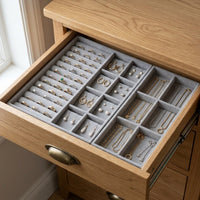
The slotted (or roll) tray is the most widely used stand in jewelry stores. Each ring slides into a slot, perfectly aligned and held in place.
- Strengths: orderly presentation, space saving, easy comparison for the customer.
- Use: ideal under a display case or in a counter drawer.
- Tip: group rings by material, color or price range to guide the choice.
Ring cones and towers
The cone displays rings stacked vertically, at eye level. It is a dynamic stand that creates volume and draws the eye.
- Strengths: attractive visual effect, showcases several rings in little space.
- Use: perfect on a counter or as the focal point of a display case.
- Tip: vary the cone diameters to fit every ring size.

Bars and single-ring stands
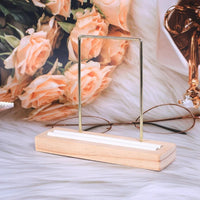
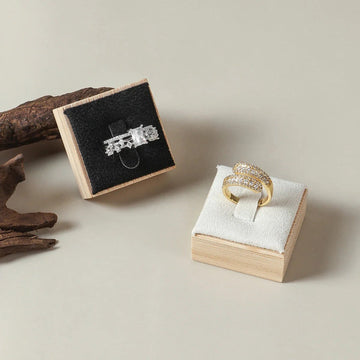
To showcase a single ring, nothing beats a bar or a single-ring stand. This presentation isolates the star piece and gives it exceptional status.
- Strengths: focuses attention, ideal for an engagement ring or a one-of-a-kind piece.
- Use: focal point, high-end display case.
Ring boxes: protection and emotion
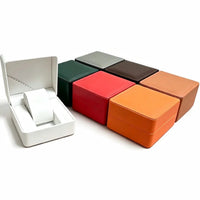
A ring box is more than storage: it is an experience. Presenting a ring in an open ring box creates emotion and suggests a gift or a marriage proposal.
- Strengths: strong emotional impact, optimal protection, enhances the moment of purchase.
- Use: precious pieces, special occasions, handing over to the customer.

Keeping your rings in good condition
Good organization also protects your jewelry. A few habits help preserve its shine:
- Avoid direct contact between pieces to limit scratches.
- Choose stands lined with velvet or soft foam.
- Clean trays regularly to remove dust.
- Store set rings separately to protect the stones.
Creating a cohesive display
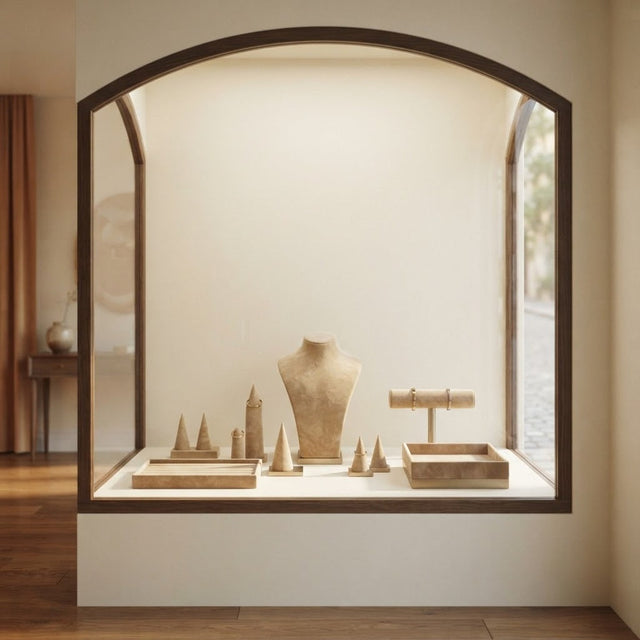
As with all jewelry, consistency comes first. Coordinate the color of your trays, cones, and ring boxes with your brand's world. Play with heights: flat trays for the overview, raised cones for depth, ring boxes for exceptional pieces. This hierarchy guides the customer's eye from the overall view to the standout piece.

How do you organize rings by size and shape?
A thin band, a signet ring, and a cocktail ring differ in both size and weight. Good storage takes these differences into account; otherwise some slip and others do not stay put. Here are some general guidelines to help you choose.
How should you sort your rings: by size, by material, or by style?
Sorting by style (wedding bands, solitaires, costume rings) makes the most sense to a customer. Within each family, arrange them by size or metal color.
The key is to keep one criterion per tray. Mixing everything in the same row looks messy.
Which cone diameter for which rings?
A ring sits on a cone at the point where the cone's diameter matches its own. A cone that is narrow at the tip suits thin bands; a cone that is wider at the base holds chunkier rings.
For a varied range, mix two or three cone diameters rather than just one: that way, every size finds its place.
How do you store wide or set rings?
Wide rings, signet rings, and rings set with large stones sit better on a single-ring stand or in a wide slot. Stones should never touch the stand or another ring.
If your tray only has narrow slots, reserve it for thin bands and wedding bands.
How do you display wedding bands and very thin rings?
Wedding bands are best shown in pairs, side by side, in the same slot or on a roll. It instantly conveys their purpose and makes comparison easier.
Very thin rings get lost on a large background: choose a fairly narrow stand on which they keep their presence.
How do you display adjustable or open rings?
Adjustable rings and open bands have no fixed size: a cone or a wide slot holds them without bending them out of shape. Avoid forcing them onto a stand that is too narrow, which spreads the metal.
Always return them to their original shape before putting them away.
How do you display rings so people want to try them on?
A ring sells first by sight, then by trying it on. The display should therefore make each piece easy to spot and to pick up. The table below sums up the role of each stand.
| Stand | Main advantage | Ideal for |
|---|---|---|
| Bar or individual support | Highlights a single piece | Engagement ring, unique creation |
| Open case | Emotion, protection | Gift, precious piece |
| Bar or single-ring stand | Highlighting a single piece | Engagement ring, one-of-a-kind creation |
| Open ring box | Emotion, protection | Gift, precious piece |
How many rings should go on a tray?
Fill the tray without overcrowding it: leave a few empty slots for new arrivals and to give the eye room to breathe. A tray filled to the brim looks like stock, not a selection.
Place the standout rings in the center and the simpler ones on the sides.
How to showcase an engagement ring?
Isolate it: use a bar or an open case, centered with space all around. The eye will go straight to the stone.
Targeted lighting does the rest, without multiplying neighboring pieces that would steal the spotlight.
What background should you choose for rings set with stones?
A dark background (black, anthracite gray, midnight blue) makes light stones and polished metal stand out. A light background is better suited to colored stones and matte metals.
Avoid patterns or stripes: they draw the eye away from the ring.
How to guide the customer to the ring they'll try on?
Think about the visual journey: a standout piece at eye level or higher, a few nearby rings at eye level, then the simpler models below. The customer will naturally follow this flow.
Keep the service tray within easy reach: trying on rings should remain simple and quick.

Where and how to display rings in the shop window?
Well-arranged rings that are poorly placed go unnoticed. Placement and lighting determine what the customer sees first and what they ask to try on.
At what height should rings be placed?
Rings are small: bring them closer to the glass and the customer's line of sight. At eye level or slightly below, they are easy to see; too high, and they disappear.
Reserve the higher levels for cones and tall supports, which add depth.
How to light stones without dazzling them?
A warm spotlight, placed high and slightly to the side, brings the facets to life without creating direct glare. Front lighting flattens the depth and reflects light back into the eye.
Avoid mixing warm and cool lights: the metal tones will look different from one shop window to the next.
How to reduce reflections on the shop window glass?
Aim the spotlights so their reflection does not fall directly in the customer's line of sight, and clean the glass regularly. A clean window and side lighting make rings look sharp from the street.
If a reflection persists, move the support slightly rather than the lamp.
How to protect rings from dust in the shop window?
A closed shop window limits dust, but not entirely. Wipe the trays with a soft cloth every week and cover the supports during extended closing periods.
This simple habit keeps stones sparkling and velvet supports looking impeccable.
Should you display all your rings at once?
No. Show a selection and rotate the rest: a changing shop window catches the eye of regular customers. Change a few pieces at a time, not everything.
Keep the rings that attract the most attention in the foreground longer.
Tray, cone, bar or case: how to choose your ring support?
The right support depends on what you want to show and the space available. The table compares the four families presented in this article.
| Support | Main advantage | Limitation |
|---|---|---|
| Slotted tray | Neat arrangement, easy comparison | Little depth |
| Cone or stand | Height, visual effect | One or two rings per level |
| Individual support | One piece, all the attention | Takes up space for a single ring |
| Jewelry box | Protection and emotion | Needs to be opened, so less practical for comparing |
What support to use when you're just starting with a few rings?
A slotted tray and a cone are enough to get started. The tray organizes, the cone adds height. Add a bar or a jewelry box for the statement piece.
Can you mix several supports in the same display case?
Yes, it's even the best way to create rhythm: a flat support, a raised support, and an individual support. Keep the same material and color palette for consistency.
Stick to three families of supports so the message remains clear.
When to choose a jewelry box over a bar?
The jewelry box is suitable for gifts and precious pieces: it protects the ring and creates emotion. The bar, being more open, continuously showcases the piece in the display case.
Many stores use the bar in the display case and the jewelry box at the time of presentation.
Wood, velvet, or metal: what material for a ring support?
Velvet is the softest for rings and highlights the stones. Wood adds warmth and visible structure. Metal gives a contemporary look, but requires a good lining to prevent scratches.
Whatever the material, the surface in contact with the ring must remain soft.
Market, store, or online photos: adapting the display of your rings
A ring is not shown the same way at a market, in a closed display case, or in a photo. The location imposes its constraints: handling, lighting, viewing distance.
| Location | Recommended support | Point of attention |
|---|---|---|
| Market stall | Stable slotted tray and cone | Quick setup, rings securely held |
| Store or display case | Multi-level trays, cones, and bars | Lighting and reflections |
| Online photos | Cone or bar on a plain background | Soft light, close-up on the stone |
How to arrange your rings on a market stall?
Choose supports that do not slip: a slotted tray or stable cones. The rings must stay in place when the customer handles them.
Have a small service tray to place the ring the customer wants to try.
How to present your rings at a trade show?
At a trade show, contact time is short: arrange the rings by family and display a single dominant height. Visitors must understand your range in a few seconds.
Also plan a reserve tray under the table, to refresh the pieces throughout the day.
How to photograph a ring on its support?
A plain background, soft window light, and a close-up on the stone are enough. A cone or bar holds the ring upright and avoids the reflections of a mannequin finger.
Add an overview of the tray to show the range.
How to store your rings between two events?
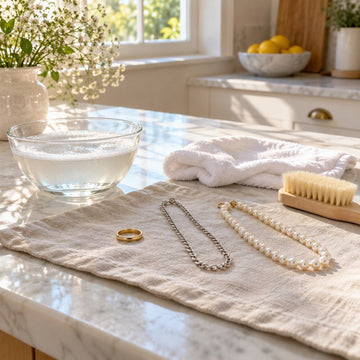
Keep each ring in its slot, close the tray, or slide it into a fabric pouch. Store the set rings separately to protect the stones from impacts.

Our favorites: four ring displays to discover
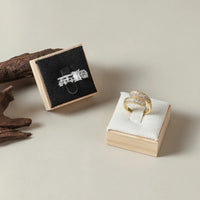
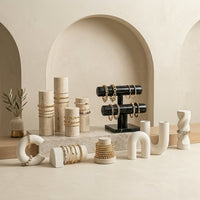
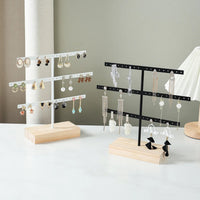
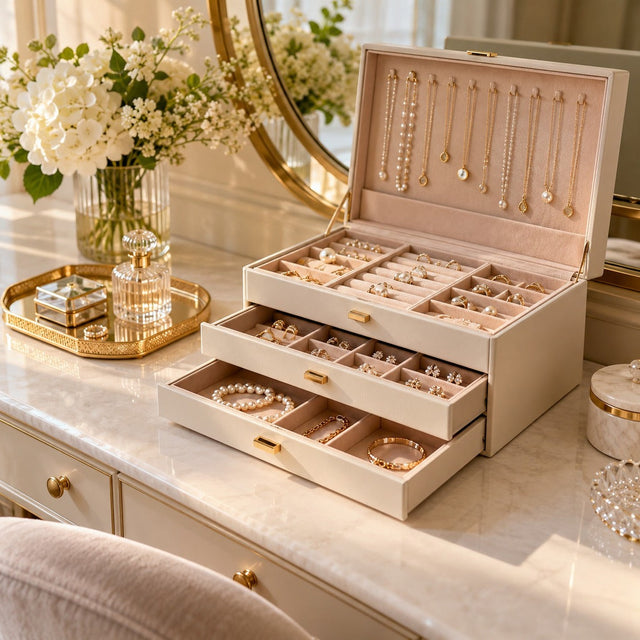
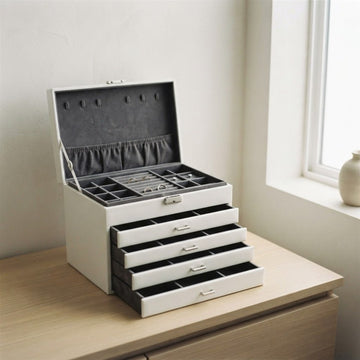
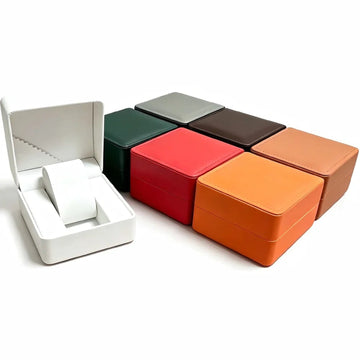
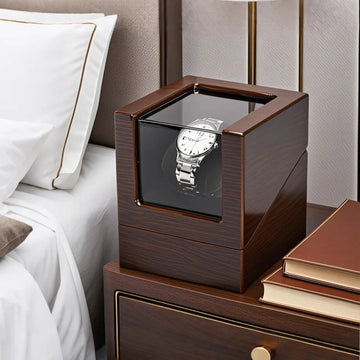
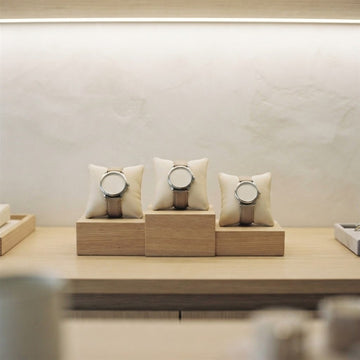
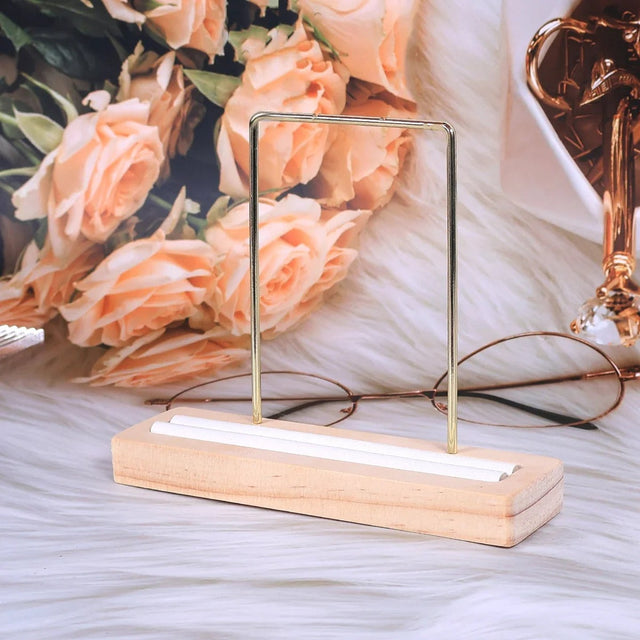
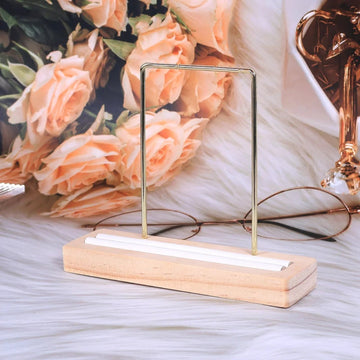
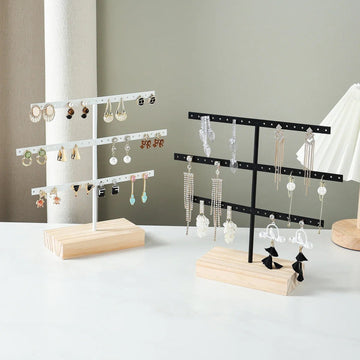
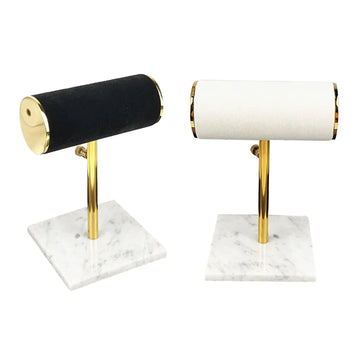
Four models illustrate the main families of supports: cones for height, the wooden tray for order, the angled tray for viewing the rings, and the small bases to highlight a piece.


To browse the entire range, visit the ring displays and jewelry trays collections.
Frequently asked questions about organizing rings
How to prevent rings from scratching each other?
One ring per slot, never loose. Choose supports lined with velvet or soft foam, and store set rings separately to protect the stones.
What is the best support for storing many rings?
The slotted tray: each ring has its place, the whole remains readable, and the tray slides into a counter drawer or under glass.
Can you mix rings and other jewelry on the same tray?
It is possible for an overall presentation, provided you keep a dedicated area for each family. To compare rings, a tray reserved for rings remains clearer.
How to clean a velvet ring tray?
With a soft brush or a sticky roller, tapping rather than rubbing. Avoid water, which leaves halos and deforms the slots.
How to present wedding rings?
By two, in the same slot or on a roll, side by side. The comparison is immediate and the use is understood at first glance.
How many rings to display on a cone?
Only a few: one to three rings per cone, depending on their thickness. Beyond that, they touch each other and the cone loses its effect.
Is a jewelry box suitable for permanent display?
Yes for exceptional pieces, in a display case, open and well lit. For an entire range, prefer a tray or cones: they compare better.
How to choose the color of a support for various rings?
Take a neutral shade (ecru, gray, black): it lets each ring express itself. Reserve bright colors for a single eye-catching support.
Conclusion
Slotted trays for organization, cones for volume, bars for highlighting, and jewelry boxes for emotion: each support has its role in the presentation of rings. By carefully combining these solutions, you transform a simple selection into a desirable display. Discover our range of ring and jewelry displays to organize your collections with style.

Get our next articles
Tips, guides and new arrivals, straight to your inbox.