







































How to wind an automatic watch, with or without a winder
Knowing how to wind an automatic watch helps you avoid two common mistakes: letting it stop and forcing it. It is a simple process, provided you understand what is happening inside.
This guide explains how it works, how to wind it by hand step by step, how to set the time, how long it runs, what to do if the watch has stopped, and the benefits of using a watch winder and a storage box.
How an automatic watch works: the rotor and the mainspring

In an automatic watch, a small semi-circular weight, the rotor, pivots with every arm movement. It winds a barrel mainspring, which gradually releases its energy to the hands.
Why an automatic watch stops when you do not wear it
Without movement, the rotor no longer turns and the mainspring unwinds. After a few days without being worn, the watch stops. This is not a fault: you simply need to wind it.
Automatic watch or manual watch
A manual watch can only be wound using the crown, every day. An automatic watch adds a rotor, but almost always still requires manual winding to restart it.
The three types to know
- Manual and automatic winding: the crown winds the mainspring, as does the rotor. This is the most common type.
- Automatic without manual winding: only wrist movement winds the watch; the crown is used to set the time.
- Manual watch: no rotor, wound every day using the crown.
This distinction explains why two identical-looking watches are not always treated in the same way. A transparent case back sometimes reveals the rotor: this is a good clue.
How to wind an automatic watch by hand, step by step

Manual winding takes less than a minute. Here is the method to follow for most models.
- Check the crown. If it is screwed in, unscrew it by turning it toward you until it releases.
- Leave it in the pushed-in position, without pulling it out: this is the winding position.
- Turn it clockwise, in small, steady turns, with the tips of your thumb and index finger.
- Count approximately 20 to 40 turns, and stop as soon as you feel resistance.
- Screw the crown back in if it is screwed, without tightening it too much.
- Set the time if the watch had stopped.
If the crown is screwed in
Many waterproof watches have a screwed-in crown. You must first unscrew it by turning it toward you until you feel it release and rest in the pushed-in position. After winding, press it in lightly and screw it back on gently, without tightening it too much: a crown screwed in crookedly will damage the threads.
How many turns to give the crown
The exact number depends on the movement. Many watches are fully wound in 20 to 40 turns. When the crown offers clear resistance, the mainspring is wound: do not force it.
Which direction to turn the crown
Turning clockwise winds the mainspring. The other direction generally does nothing or turns freely, which does not damage it but does not wind the watch.
The right pace for winding
Turn steadily, at a regular speed, like turning a small key. Do not try to go fast: the process takes less than a minute. If the crown creaks or catches, stop and have the watch checked.
Should you wind it every day
No, if you wear it. The rotor does most of the work. A few turns of manual winding in the morning simply gives it a good start if the watch remained on the table the day before.

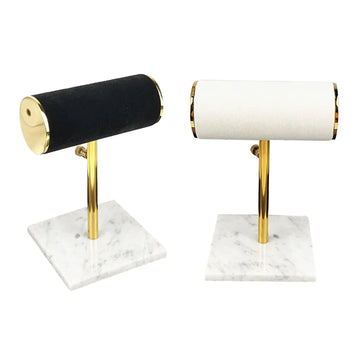
Some enthusiasts store their watch on a rotating support, like this one, so that it remains wound without manual winding.
Setting the time and date without damaging the movement

The time is set after winding. Pull the crown to the correct position, turn the hands, then push it back. A few landmarks help you avoid forcing it.
| Setting | Crown position | Precaution |
|---|---|---|
| Winding | Pushed in (position 0) | Steady turns, without forcing |
| Date | One click (position 1) | Never between about 9 p.m. and 3 a.m. |
| Time | Pulled out fully (position 2) | Advance the hands in small increments |
| End | Push back, then screw back in | Check that the crown is properly screwed in |
Why avoid changing the date at night
Between about 9 p.m. and 3 a.m., the date mechanism is engaged. Changing it at that time can damage the parts. First advance the time to 6 or 7 a.m., set the date, then set the exact time.
Advancing or rewinding the hands
The hands can be advanced without risk in the clockwise direction. Rewinding is possible on most models, but it is best to avoid sudden movements. For a large correction, advance by a few hours rather than rewinding.
Setting the time on a stopped watch
First wind the watch, then set the time. Doing the opposite sometimes requires you to start over, as the movement does not always start immediately.
How long does an automatic watch run?

The power reserve is the duration during which the watch runs on its own once wound. It depends on the movement, and the manual gives the exact value.
| Situation | What happens | What to do |
|---|---|---|
| Worn every day | The rotor recharges the mainspring | Nothing special |
| Left for 1 to 2 days | The watch runs on its power reserve | A few turns in the morning |
| Left for more than 3 days | It may stop | Wind it, then set the time |
| Stored in a box | It stops without movement | A watch winder keeps it ready |
How many hours of wear per day
A normal day of wear is enough for most watches. Quiet activities charge them less than walking; if the watch stops at the office, add a few turns of the crown in the morning.
Calendar, moon phases and other functions
A full calendar or moon phase watch requires more care when setting. Read the manual carefully: each function has its own pushers or crown positions, and a wrong move is costly.
When the movement becomes less accurate
As the power reserve drops, the daily deviation can increase: the watch gains or loses a few seconds. Manual winding generally corrects this.
For a watch that deviates significantly despite proper winding, consult a watchmaker: movement adjustment or cleaning may sometimes be necessary.
Stopped automatic watch: how to restart it

A watch left for several days almost always stops. Three steps are enough to get it running again, in this order.
- Wind it by hand: 20 to 40 turns of the crown, crown in the pushed-in position.
- Gently shake it for a few seconds to start the rotor, if it does not restart.
- Set the time and date, then wear it for at least one day to finish winding it.
Once the watch has restarted, leave it on your wrist for a few hours. The rotor then finishes charging the mainspring, and the movement stabilizes.
If it does not restart
If, after a full winding, the watch remains stationary, do not force it. A crown that turns without resistance or a frozen seconds hand warrants a visit to a watchmaker.
The little wrist flick that helps
If the watch does not restart immediately, gently shake it in a horizontal back-and-forth motion. The rotor starts turning and winds the mainspring. Avoid violent movements: a few calm motions are enough.
Avoiding repeated stops
Stopping occasionally is normal. If the watch stops as soon as it is left overnight, have the power reserve checked: a watchmaker checks the mainspring and the movement.

Watch winder for automatic watches: when to use one

A watch winder is a motorized stand that mimics arm movement and keeps the watch wound. It is never mandatory. It is useful when you own several automatic watches and want them to be ready.
Many readers wonder if the winder damages the movement. When properly set, it simply mimics normal wear: it rotates in sequences, then stops, and does not strain the watch.
Who is a watch winder useful for
- The collector who alternates several watches during the week.
- Those who own a watch with a calendar complication, which takes a long time to set.
- The occasional wearer who does not want to set the time every time.
What to look for before choosing one
The number of watches, the setting of the number of turns per day, the direction of rotation, the noise and the available space matter. Our complete guide details each criterion: automatic watch winder: how to choose the right one.
Winder or regular wear: what to choose
If you wear the watch three or four days a week, the winder makes almost no difference. It becomes useful from two or three watches in rotation, or for a watch worn rarely but that you want ready.
Where to find a watch winder
The automatic watch winder collection brings several together, and the watch safes with winder combine the rotating support and storage.

Storing an automatic watch between wears

A watch left loose gets scratched and stops. Proper storage solves both problems and keeps it ready to wear.
A watch box to protect
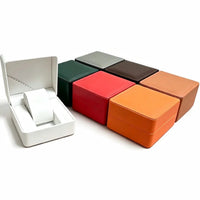
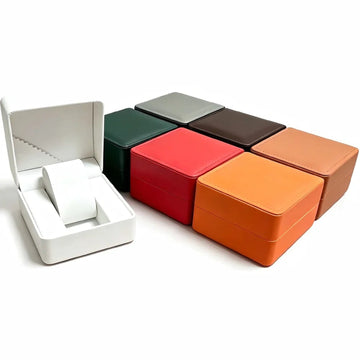
A soft cushion keeps the watch safe from shocks. If it is not rotating on a winder, it will stop after a few days: plan to wind it before wearing it. Watch boxes come in several formats; our guide watch box: how to choose it according to your collection helps you decide.
How many watches per box
Count one compartment per watch and keep one or two extra spaces. A watch should never touch its neighbor: cases and bracelets get scratched on contact.
Where to place the box
In a dry room, away from direct sunlight, heat sources and magnets (speakers, magnetic clasps). Humidity and heat damage the leather and the oils of the movement.
If you alternate several watches, keep a simple order: the watch worn today comes out of the box, the one from yesterday goes back in. This rotation prevents a watch from remaining for weeks without being wound.
Good habits when returning
- Wipe the watch with a soft cloth.
- Close the bracelet on the cushion.
- Place it with the dial visible to spot it quickly.
- If it has stopped, wind it before the next wear.

Errors to avoid when winding an automatic watch

These errors happen often. They can be corrected without tools.
- Forcing the crown. When there is clear resistance, the spring is wound: stop.
- Changing the date at night. Between roughly 9 p.m. and 3 a.m., the mechanism is engaged.
- Forgetting to screw the crown back in. A poorly closed crown lets in dust and humidity.
- Winding underwater. Never manipulate the crown in contact with water.
- Shaking the watch violently. A gentle gesture is enough to start the rotor.
Why these errors are costly
An automatic movement is a small precise mechanism. A gesture that is too rough or a setting at the wrong time can disrupt its operation, or even stop the watch. A service by a watchmaker takes much more time than a few seconds of caution. Get into the habit of checking the caliber manual, winding calmly and never rushing a setting.
Gestures to keep
Wind calmly, with regular turns. Set the time at the end. Screw the crown back in. These three gestures are enough for a watch that lasts.
Our favorites: four winders and watch boxes

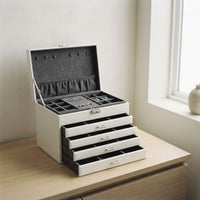
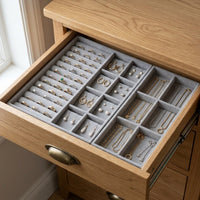
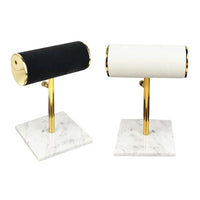
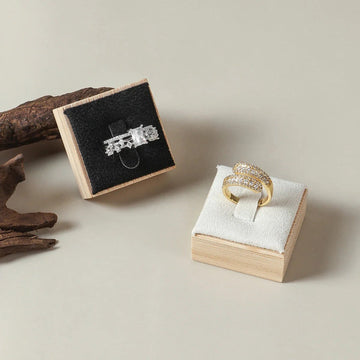
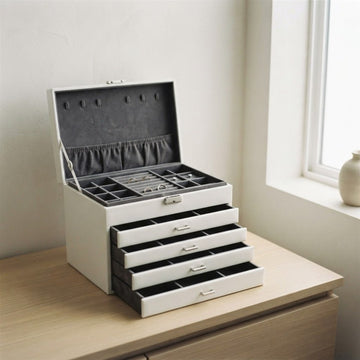
Four models cover the most common needs: the wooden winder for one or two watches, the leather box with several supports, the large wooden box and the desk model.


To see everything, visit the automatic watch winder collection or the watch boxes.
To go further: How many turns to wind an automatic watch? Reliable tips and gestures.
Frequently asked questions about winding an automatic watch
How to wind an automatic watch that has stopped?
Wind it by hand: push the crown, make about 20 to 40 turns clockwise, then set the time. Then wear it for a day.
Should you wind an automatic watch every day?
No, if you wear it: the rotor winds it on the wrist. A few turns in the morning are enough if it has remained stationary.
In which direction to wind an automatic watch?
Clockwise. Turning in the other direction generally does not damage it, but does not wind it.
Can you overwind an automatic watch?
Modern movements are protected by a clutch. You should still stop at the first clear resistance.
How long does an automatic watch last without being worn?
Often from 40 to 48 hours, sometimes more depending on the caliber. Your watch manual indicates the exact value.
Does a winder damage an automatic watch?
If used with the right settings, no. It is better to follow the number of turns per day in the manual and avoid excessive operation.
How to wind a branded automatic watch?
The method is the same for all models: crown in winding position, regular turns, setting the time. Read the caliber manual for details.
When to change the date of an automatic watch?
Outside the window of roughly 9 p.m. to 3 a.m. First advance the time to the morning, set the date, then reset the time.
In summary: properly wind your automatic watch

To wind an automatic watch without risk, remember three gestures: the crown in the pushed position, regular turns clockwise, then setting the time.
- Principle: the rotor charges the spring on the wrist.
- Gesture: about 20 to 40 turns, without forcing.
- Setting: never change the date between roughly 9 p.m. and 3 a.m.
- Storage: a dedicated box, possibly a winder.
Above all, remember this: an automatic watch does not need constant attention, only a few right gestures.
Continue with the automatic watch winder collection, or read watch displays: boxes, winders and display cases.
Frequent searches: how to wind an automatic watch, how to wind an automatic watch manually, how to make an automatic watch wind, how to set an automatic watch, how to restart an automatic watch, when to wind an automatic watch, winding an automatic watch by hand.
Get our next articles
Tips, guides and new arrivals, straight to your inbox.