




























Why silver jewelry tarnishes (and how to prevent it)
Do you wonder why silver jewelry tarnishes even when you take care of it? It is neither a defect nor a sign of a fake: it is a natural reaction of silver with sulfur in the air, accelerated by moisture.
This guide explains the cause, what accelerates the phenomenon, why some jewelry tarnishes the skin, and above all, how to avoid it with the right care and storage.
Why silver jewelry tarnishes: the chemical reaction
The tarnishing of silver is a very common phenomenon, also known as tarnish. It affects chains, rings, and earrings alike, and it appears even if you never wear the jewelry.

The real culprit: sulfur, not oxygen
We often talk about oxidation, but the tarnishing of silver is mainly caused by sulfur. Sulfur compounds in the air, certain foods, or certain products react with silver and form silver sulfide on the surface, a thin, dark film.
It is not rust
Silver does not rust: rust affects iron. Here, the metal is not corroded; it is covered with a superficial film. This is why tarnished jewelry regains its shine after proper cleaning, without any noticeable loss of material.
The five stages of tarnishing
Silver does not turn black all at once. It goes through several shades, which indicate the thickness of the film.
| Stage | What you see | What to do |
|---|---|---|
| Light | Shiny silver | Nothing, wear regularly |
| Yellow | Light yellowish haze | A wipe with a polishing cloth |
| Brown | Golden or brown shade | Gentle cleaning |
| Purple | Bluish or purplish reflections | Thorough, longer cleaning |
| Black | Dark, matte film | Complete cleaning, see our guide |
What accelerates tarnishing in everyday life
Silver tarnishes even when stored away, but certain situations significantly accelerate tarnishing. Knowing them allows you to take action.

| Factor | Why | The right care |
|---|---|---|
| Moisture | It promotes the reaction | Store in a dry place, out of the bathroom |
| Perfume, hairspray, cream | They contain compounds that attack the metal | Put the jewelry on last |
| Chlorine, pool water | It attacks the metal surface | Remove before swimming |
| Sulfur-rich foods | Eggs, onions, and others release sulfur | Remove while cooking |
| Household products | They are harsh on silver | Remove before cleaning |
| Rubber, wool | They can release sulfur on contact | Do not store them together |
Climate and season
A humid climate, sea air, or a highly polluted city accelerates tarnishing. In summer, heat and sweat also play a role. The same jewelry stored in a dry region often tarnishes more slowly.
Bathroom moisture
A bathroom is the worst place to store silver: steam from the shower is enough to accelerate tarnishing. Store your jewelry in a bedroom or dressing room, away from the steam.
Everyday products
Perfume, hairspray, hand cream, deodorant: these products leave traces that react with silver. If your jewelry tarnishes especially around the neck or wrist, this is a lead to explore.
Sweat and skin
The composition of the skin and sweat varies from person to person. Under identical conditions, the same piece of jewelry can tarnish faster on one person's skin than on another's: this is not a defect of the jewelry.
Do all types of silver tarnish the same way?
No, because not all "silver" jewelry is identical. The alloy and finish affect the speed of tarnishing.
| Type | Composition | Tarnishing |
|---|---|---|
| 925 Silver | 92.5% silver, the rest usually copper | Tarnishes, copper often accelerates the phenomenon |
| Pure Silver | Almost exclusively silver | Also tarnishes, generally more slowly |
| Rhodium-Plated Silver | Silver covered with a thin layer of rhodium | Slowed down as long as the layer holds |
| Gold-Plated Silver | Silver covered with a layer of gold | Stays bright as long as the layer is intact |
| Silver-Colored Metal | Base metal covered with silver | Can darken when the layer wears off |

How to recognize genuine silver?
Look for a hallmark on the jewelry, often "925" or a Minerve head. As a guide, silver is not attracted by a magnet, and it tarnishes on contact with sulfur. None of these signs replace the opinion of a jeweler, who can confirm the purity.
Why 925 silver tarnishes
925 silver, the most common in jewelry, contains about 7.5% of another metal, often copper. This alloy is stronger than pure silver, but copper also reacts to the air and moisture. Tarnishing is therefore normal.
Finishes that delay the phenomenon
A layer of rhodium or gold protects silver for a while. It eventually wears out with friction, especially on rings and bracelets. When it fades, tarnishing appears.

Why silver jewelry tarnishes the skin
A gray or black mark on the finger or around the neck often causes concern. However, it has a simple explanation.
The black mark is not a sign of a fake
The silver sulfide film is friable: it comes off by rubbing and leaves a dark mark on the skin. Genuine silver jewelry does the same, and the mark is removed with washing.

What to do about the mark?
Simply wash the skin with water and mild soap, then wipe the jewelry with a cloth. If the mark returns with each wear, it is a sign that a film is reforming: cleaning and better storage reduce it.
Cosmetics and sweat
Cream, sunscreen, or sweat can also react with metal. The mark is then more pronounced under a tight ring or a bracelet worn directly on the skin.
How to prevent silver from tarnishing: the right steps
Tarnish cannot be eliminated, but it can be greatly slowed. Eight habits do most of the work.
- Wear your jewelry regularly: friction gently polishes the silver.
- Put it on last, once perfume, cream, and hairspray are dry.
- Take it off first in the evening, before removing your makeup.
- Take it off before showering, going to the pool, the sea, or doing housework.
- Wipe it after every wear with a soft, dry cloth.
- Store it separately: a pouch or compartment for each piece of jewelry.
- Keep it dry, never in the bathroom.
- Close the box: air is the primary cause of tarnishing.
Wearing your jewelry: the best way to prevent tarnishing
It may seem paradoxical, but silver jewelry worn often tarnishes less than jewelry that is stored. Friction against the skin and clothing gradually removes the tarnish before it can build up.
Rings worn all the time
A ring worn day and night tarnishes under the band, where the skin remains damp and is rarely wiped. Remove it once a day to wipe the inside and the skin underneath: this simple step prevents marks and dark areas.
Anti-tarnish products: useful or not?
Anti-tarnish strips and pouches are available. They absorb some of the sulfur compounds present in the box and slow down the tarnishing process. Their effect is limited over time: follow the instructions and keep them out of reach of children.
Also remember that tarnishing is not irreversible: a piece of jewelry neglected for a few weeks can be restored, provided you act before the tarnish builds up. The sooner you intervene, the faster and gentler the cleaning will be on the metal.
Evening routine
As soon as you remove the jewelry, wipe it with a soft cloth. Sweat and cosmetics won't have time to act overnight. Then store it in a closed box, away from any moisture.
Storing silver properly: the box that delays tarnishing
Storage is the second most important factor after daily care. A good box limits air, moisture, and friction between pieces of jewelry.

A pouch or compartment for each piece of jewelry
A piece of silver stored on its own does not rub against other items and tarnishes more slowly. Use a small fabric pouch or individual compartment rather than storing items together. For chains, a flat compartment also prevents tangling: see our guide on untangling a chain.
A soft lining and a closed box
Fabric, velvet, or felt separates the silver from the box walls. Always close the lid: an open box allows air to circulate. Keep it away from windows and bathrooms.

What about cardboard boxes?
Raw cardboard should not come into contact with silver: it retains moisture and can release compounds that promote tarnishing. If you make your own box, line it with felt or neutral tissue paper; our guide on making a cardboard jewelry box explains how.

Traveling: a closed pouch
In a suitcase, jewelry is exposed to fluctuations in humidity and friction. A closed pouch for each piece, stored in a travel box, protects it. Upon return, wipe each piece before putting it back in its usual box.
A little silica gel against moisture
A small packet of silica gel placed in the box absorbs moisture. Replace or dry it according to the instructions on its packaging. Never leave it within reach of children or pets.
| Storage | For silver | Key takeaways |
|---|---|---|
| Closed box with a soft lining | Very good | Limits air and friction |
| Closed individual pouch | Very good | Ideal for travel and drawers |
| Open tray on a dresser | Fair | Nice, but silver tarnishes more quickly |
| Loose items in a drawer | Avoid | Friction, air, and moisture |
| Bathroom | Avoid | Steam and moisture |
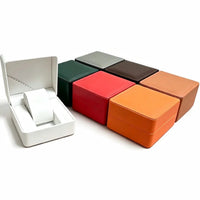
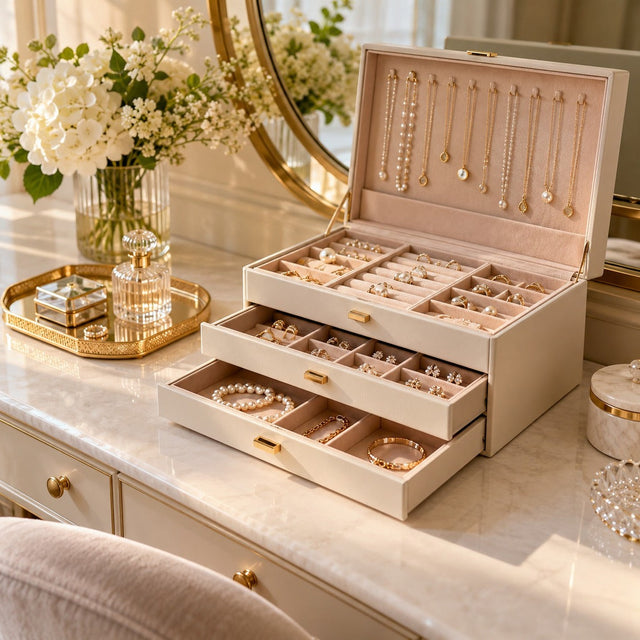
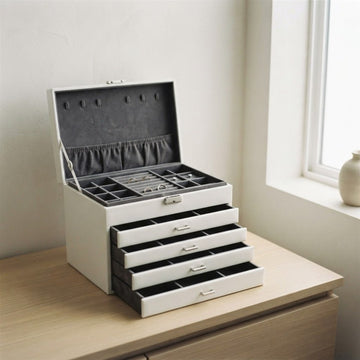
To choose a box, browse the jewelry box, jewelry case, and jewelry chest collections. Our jewelry chest guide helps you compare models.

What to do when silver has already tarnished?
Tarnished jewelry can almost always be restored. Tarnish is a surface layer, not wear on the metal.

A light tarnish: the polishing cloth
For a yellowish or gray tarnish, a silver polishing cloth is enough. Rub gently in one direction, then turn the cloth over as soon as it turns black.
Heavier tarnishing: a gentle method
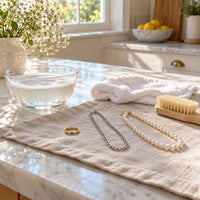
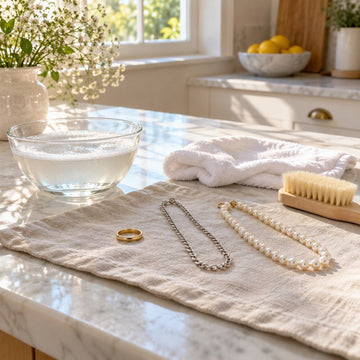
When the tarnish is brown or black, gentle methods are available: warm soapy water, baking soda, aluminum foil. Our guide on cleaning silver jewelry details five methods, along with their limitations.
After cleaning: dry and store
After cleaning, dry jewelry completely with a soft cloth before putting it in its box. Trapped moisture will cause tarnishing to return. Store it immediately in its pouch or closed box, and keep the box in a dry place.
What to avoid
- Abrasives: they scratch the metal and make it more susceptible to damage later.
- Jewelry with delicate stones: pearls, turquoise, and porous stones are sensitive to water and cleaning products.
- Plated jewelry: vigorous rubbing wears away the coating.
Some boxes and cases for storing silver
Here are four ideas for storing silver safely, from the store's collections.
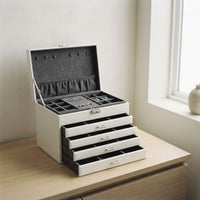
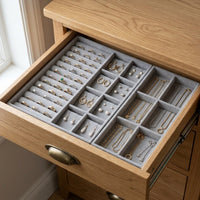
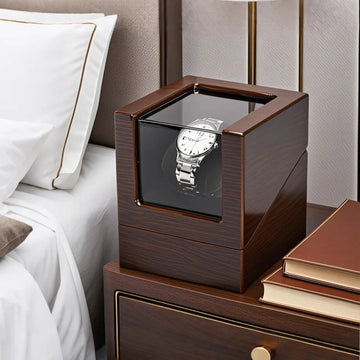
 Solid wood jewelry box with modular compartments
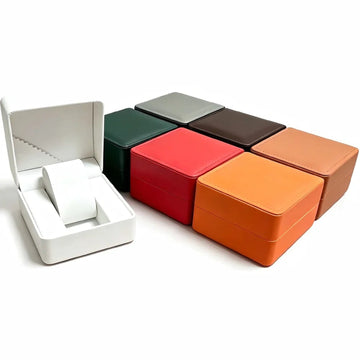
 Compact green velvet travel case
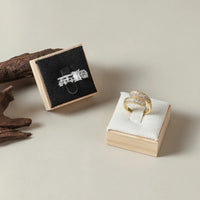
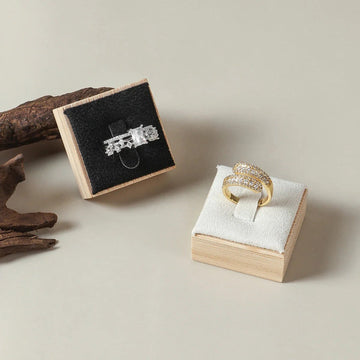
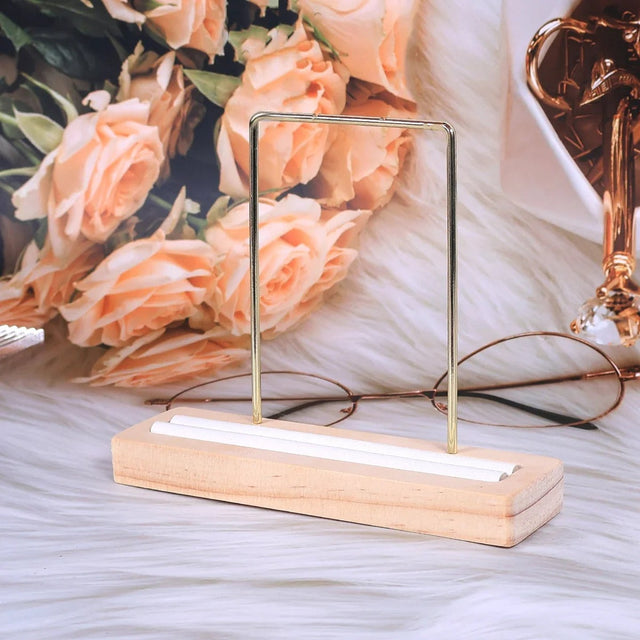
 White velvet cases for a ring and necklace
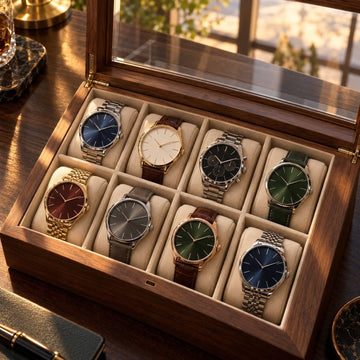
 Wooden jewelry box with glass lid
Frequently asked questions about tarnished silver
Why does silver jewelry tarnish?
Silver reacts with sulfur compounds in the air, aided by moisture. A thin layer of silver sulfide forms on the surface, first yellowish, then brown, then black. This is not a defect: it is a natural reaction of the metal.
Is silver jewelry that tarnishes fake?
No. On the contrary, tarnishing is common with genuine silver, and jewelry that never tarnishes is not necessarily better. This sign alone cannot determine whether a piece of jewelry is authentic.
Why does my silver jewelry tarnish my skin?
The thin layer of sulfide that forms can rub off on the skin, sweat, or cream. The black mark washes off and is generally harmless. If you experience redness or itching, remove the jewelry and seek advice from a healthcare professional.
How to prevent silver from tarnishing?
Wear it regularly, put it on last after applying cosmetics, remove it before showering, going to the pool, or doing housework, then store it dry, in a closed pouch or fabric-lined box, away from the bathroom.
Why does silver tarnish more quickly in some boxes?
Because a damp, poorly closed box, or one made of raw material, leaves silver exposed to air and moisture. A closed, dry box with a soft lining and one piece of jewelry per pouch significantly slows down tarnishing.
Can I clean tarnished silver jewelry myself?
Yes, with a polishing cloth for light tarnishing or a gentle method for heavier tarnishing. Avoid abrasive products that scratch the metal. Our guide details five methods for cleaning silver.
Does silver tarnish even when it is not worn?
Yes. Left exposed to the air or in a damp drawer, silver also tarnishes. Regular wear gently polishes it through friction, while a piece of jewelry forgotten in a corner tarnishes more quickly.
Your anti-tarnish checklist
To keep your silver jewelry bright, keep this list in mind.
| When | Action |
|---|---|
| In the morning | Perfume, cream, and hairspray first, jewelry last |
| Before water | Remove before showering, swimming, going to the beach, or doing housework |
| In the evening | Remove, wipe with a soft cloth, and store in a closed container |
| When storing | A compartment or pouch for each piece of jewelry, box kept dry |
| Once a month | Check the condition, wipe with a polishing cloth |
With these habits, your silver jewelry will retain its shine for much longer. And to store it properly, discover the jewelry boxes, jewelry cases, and jewelry chests in the shop.
Popular searches: why silver jewelry tarnishes, why silver jewelry tarnishes, why jewelry turns skin black, does silver jewelry tarnish, what tarnishes silver, why silver tarnishes, why silver jewelry turns yellow, silver jewelry that doesn't tarnish, how to clean tarnished silver jewelry, how to prevent silver from tarnishing.
Get our next articles
Tips, guides and new arrivals, straight to your inbox.