

























Wooden or plastic display stand: which lasts longer?
Wooden or plastic display: why durability matters

When investing in jewelry displays, the first practical question is rarely the most glamorous: how long will my purchase last? Wood and plastic are the two most common material families, yet their actual lifespans differ enormously.
An oiled solid wood display can last fifteen years without flinching, while a budget plastic display can crack or yellow after two years. But there are also very durable plastics and woods that warp quickly.
This article reviews all the factors that determine the actual longevity of each material, helping you choose by calculating the cost per year of use, not just the displayed purchase price.
Wood: proven longevity

Solid wood is one of the most durable materials in the world. When properly chosen, finished, and maintained, a wooden display easily lasts 10 to 15 years of intensive use, and even longer for signature pieces that are handled infrequently.
And even after a decade, it retains a patina that many customers find more beautiful than new.
The most durable woods
Hardwoods such as oak, walnut, beech, and mango are the most resistant. They withstand impacts, do not warp, and take refinishing (light sanding, oil, wax) very well. Softer woods such as pine or bamboo have a decent lifespan but show marks more quickly.
Wood-veneered MDF is the entry-level option: it lasts 5 to 8 years with moderate use, but deteriorates quickly if the veneer peels or gets damp.
How a good wooden display ages
Over time, wood develops a patina. The corners round off slightly, the color matures, and the grain stands out. This patina is valued commercially: it tells the story of the brand's authenticity, use, and human connection. For an artisanal creator, a patinated wooden display is an asset, not a flaw.
Its weaknesses
Moisture is the number one enemy. A wooden display left in a damp basement or exposed to water can warp, crack, or mold. Prolonged direct sunlight can also fade certain woods. But this damage can be avoided with normal use in a dry indoor environment.
Solid wood displays for the long term
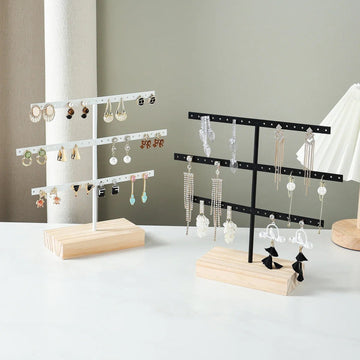
Busts, trays, supports: the strength of wood for years of use.
View wooden displaysPlastic: a very uneven family

Talking about "plastic" as a single material is misleading. Under this generic name lie very different realities in terms of lifespan.
Quality acrylic (PMMA, Plexiglas)
High-end cast acrylic lasts 8 to 12 years if properly maintained and protected from scratches. It does not yellow over time, retains its transparency, and withstands impacts very well (it does not break into a thousand pieces like glass). It is the most durable "plastic" on the market.
Entry-level acrylic (extruded)
Cheap extruded acrylic lasts 3 to 5 years with regular use. It yellows slightly in the sun, scratches more easily, and can crack at the edges. For secondary pieces or temporary use, it does the job; for the centerpiece of your shop window, it is better to invest in the cast version.
PVC and other cheap plastics
Thin PVC, polystyrene, ABS, or very thin polycarbonate displays have a short lifespan: 1 to 3 years on average. They crack, yellow, and warp under the heat of a spotlight. Avoid them for serious commercial use.
Thermoformed faux leather on a plastic structure
Very common in entry-level and mid-range jewelry displays. Variable lifespan: 4 to 8 years depending on quality. The faux leather may crack on the surface, but the plastic structure lasts a long time if it is not bent.
Factors that wear out a display

Intensity of use
A display handled 50 times a day in a store wears out faster than a display installed in a shop window and touched once a week. Adapt the material: solid wood for areas of intense handling, acrylic for fixed shop windows.
Travel
For a creator who attends 30 markets a year, displays travel in crates, take impacts, and vibrate in the car. Solid wood tolerates these trips better than acrylic, which scratches, and thin plastic, which cracks.

Environmental conditions
Moisture, temperature, sun exposure, proximity to heating: all factors that wear out a display. Wood is sensitive to moisture, acrylic is sensitive to excessive heat and direct UV rays, and thin plastic is sensitive to extreme cold.
Maintenance
A display cleaned with the right products lasts several times longer than a mistreated display. Alcohol, acetone, or ammonia on acrylic dulls it in a few months. Harsh detergents on wood damage the finish.
Cost per year of use: the real calculation
The purchase price only tells part of the story. What matters is the cost smoothed over the lifespan. Here is a numerical example for a necklace bust:
| Type | Average price | Lifespan | Annual cost |
|---|---|---|---|
| Oiled solid wood bust | €45 | 12 years | €3.75 |
| Cast acrylic bust | €30 | 8 years | €3.75 |
| Wood-veneered MDF bust | €20 | 5 years | €4.00 |
| Budget plastic bust | €10 | 2 years | €5.00 |
| Thermoformed faux leather bust | €25 | 6 years | €4.17 |
Over time, solid wood and cast acrylic cost the same per year, despite a higher initial investment.
Budget plastic appears cheap at purchase, but costs more over time because it has to be replaced too often—and each replacement generates lost time, shipping costs, and a risk of stockouts in your shop window.
Durable solid wood necklace busts
Invest in a signature display that will last through the years with your creations.
View necklace busts
Which material for which scenario?
Scenario 1: High-traffic brick-and-mortar store
Mostly oiled solid wood (maximum durability, handles intensive handling well), cast acrylic for the heights of the shop window. Avoid budget plastic, which will deteriorate too quickly.
Scenario 2: Traveling market stand
Solid wood is mandatory (withstands transport impacts). Avoid fragile acrylic prone to scratches in transit and thin plastic that cracks with temperature fluctuations.

Scenario 3: Infrequently handled fixed shop window
Cast acrylic is visually unbeatable and will last 10 years without moving. Wood also works very well if you want a warmer signature.
Scenario 4: E-commerce and product photography
Opaque white acrylic for packshots and light wood for lifestyle photos. Both last long enough to amortize the investment.
Scenario 5: Small startup budget
Aim for wood-veneered MDF (5-8 years) rather than thin plastic (1-3 years). The initial cost is close, but the longevity is very different. You will save in the medium term.
How to extend the lifespan

For wood
- Store away from direct moisture
- Oil or wax 1 to 2 times a year to nourish the material
- Avoid prolonged exposure to direct sunlight
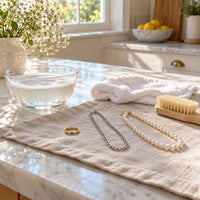
- Clean with a soft, barely damp cloth
- For fabric-lined displays, brush the fabric areas regularly
For acrylic
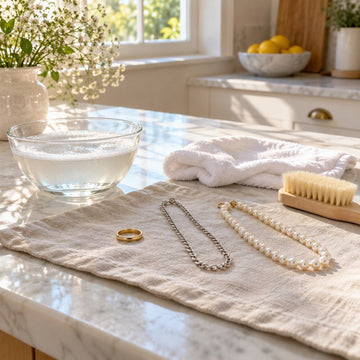
- Use exclusively a microfiber cloth, never paper towels
- Ban alcohol, acetone, and ammonia, which dull or crack it
- Place velvet or faux suede between the jewelry and the surface
- Store displays in covers to avoid scratches during transport
- In case of a light scratch, an acrylic polishing kit restores transparency

For entry-level plastic
- Accept a short lifespan from the outset (2-3 years)
- Avoid heat sources (nearby LED spotlights, radiators)
- Prioritize these displays for secondary items, not focal ones
When to replace your equipment?

Beyond visible wear, watch for two signs. First, visual consistency: if your display looks more dated than your jewelry, you lose perceived value, even if it still works mechanically. Second, brand image: marked velvet, cracked wood, or yellowed acrylic send a negative signal to the customer.
It is better to replace it before this signal appears, and refresh your shop window every 3 to 5 years even if everything is not worn out.
Refresh your presentation
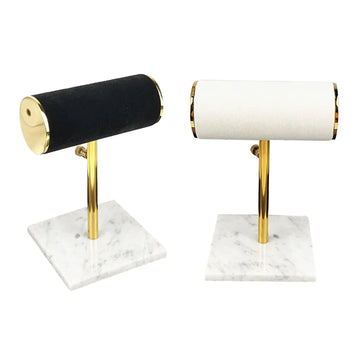
Trays, supports, watch holders, and bracelet holders to refresh your shop window.
View watch holdersRecognizing a quality wooden display before buying
The stated lifespan is only valid if the wood is good. A few simple checks allow you to distinguish a solid wood display from a veneered panel, without taking anything apart.
Solid wood, veneer, or MDF: how to tell them apart?
Look at the end grain first. On solid wood, the grain continues from one face to the other. On veneered MDF, a thin layer of wood covers a pale, uniform core.
- Grain that runs all the way to the edges: solid wood.
- Granular, uniform core beneath a thin layer: veneered MDF.
- Identical grain pattern from one piece to another: veneer or imitation.
Finishes to inspect closely
A good finish feels smooth, without chips or rough areas. Oil or wax leaves the grain visible, while a thick varnish forms a glossy coating that can peel at the edges over time.
Weight, joinery, and edges: the hand test
Lift the piece: dense wood is noticeably heavier than a hollow panel. Check that the joinery is tight and that the edges are slightly softened, as a sharp edge marks fine chains and eventually chips.

Repair, Refurbish, or Replace: What to Do with a Damaged Display
Every display eventually shows signs of wear. The right decision depends on where the damage is: a surface can often be restored, a structure rarely.
A Tarnished or Scratched Wooden Display
Light sanding with fine-grit sandpaper, following the grain, erases most scratches. Once the dust is removed, a fresh coat of oil or wax restores depth to the color. Test it on a discreet area first.
Scratched or Yellowed Acrylic
A light scratch can be polished out with an acrylic polishing kit, as mentioned above. Once yellowing has set in, however, it cannot be undone: the piece remains suitable for secondary use, but it no longer deserves a place of honor.
When to Replace Rather Than Repair
A crack in the structure, loose joinery, or a panel peeling away along an entire edge are clear warning signs. It is better to replace it: an unstable display puts jewelry at risk.
Storing and Transporting Your Displays Without Damaging Them
A display spends more time stored than on display. Storage and transport therefore account for a good portion of its wear.
Storing Out of Season
Choose a dry place with a stable temperature, away from a damp wall or a radiator. Place each piece in a fabric cover, never in a sealed plastic bag that traps moisture.
Traveling from Market to Market
Secure the pieces in a rigid box, with a cloth or foam between each. The heaviest go at the bottom, and the acrylic should be kept separate from the wooden pieces to prevent scratches.
Good Habits Before and After Every Trip
Before leaving, count the pieces and check that none are loose. Upon return, wipe them down before storing them: dust and moisture from a trade show hall settle in quickly.

Our Favorite Wooden Displays Built to Last
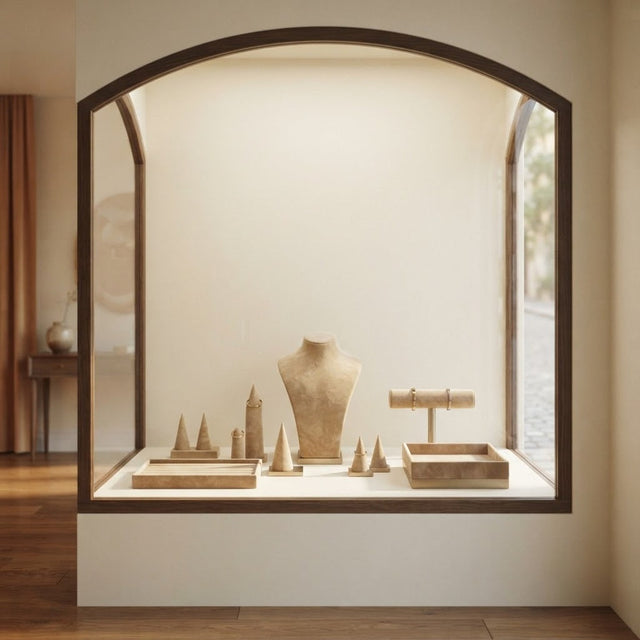
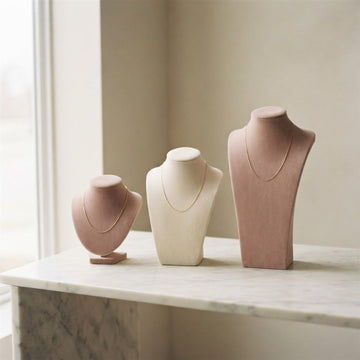
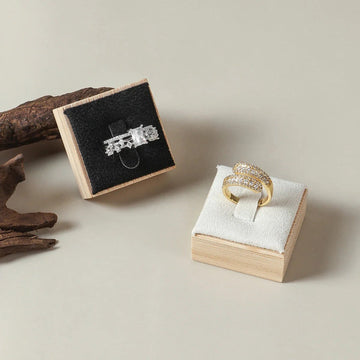
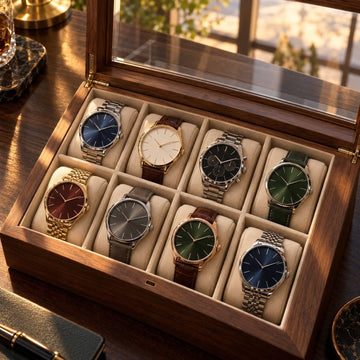
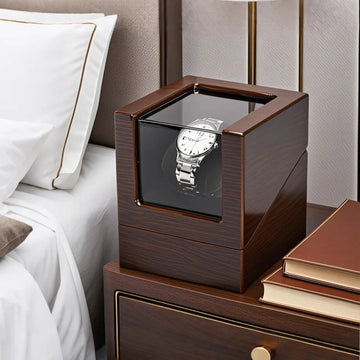
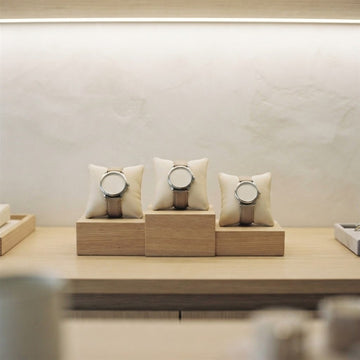
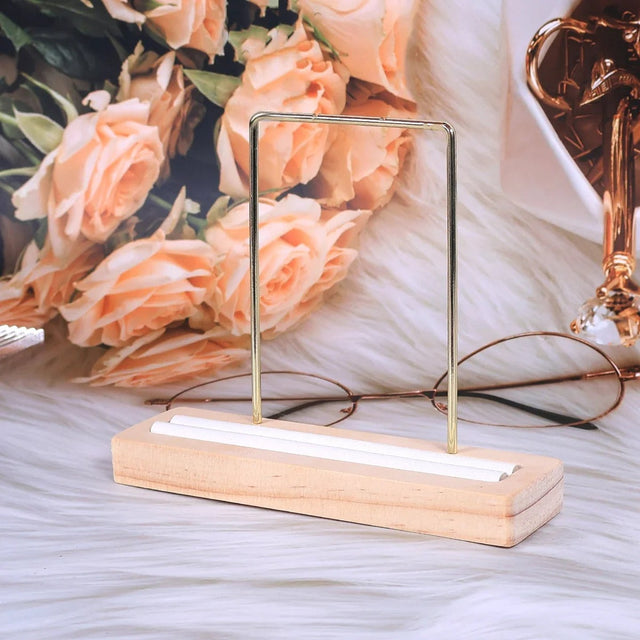
Four wooden references illustrate what to expect from a durable display: a sturdy structure, a refined finish, and a clear purpose.


To learn more, browse the wooden jewelry displays and jewelry trays collections. To compare materials, also read our comparison of wood and Plexiglas.
Conclusion: Durability Beats the Initial Price
Over the long term, solid wood almost always wins out, followed closely by high-quality cast acrylic. Entry-level plastic may look attractive at the time of purchase, but it costs more over time and damages your brand image. For a sensible investment, always calculate the cost per year of use, not the listed price.
And remember: a display that lasts 10 years is not just a good financial purchase—it is a consistent visual identity that permanently anchors your brand signature in your customers' minds.

FAQ — Wood or Plastic: Which Display Lasts Longer?
Is solid wood really more durable than all plastics?
On average, yes, but high-end cast acrylic comes very close. The real winners in durability are oiled solid wood and thick cast acrylic. Thin plastics and PVC fall significantly behind.
Does acrylic yellow over time?
Cast acrylic remains stable for years. Entry-level extruded acrylic may yellow slightly if exposed directly to sunlight. In a standard indoor display case, there is no problem.
How long does a veneered MDF display last?
5 to 8 years with normal use. Beyond that, the veneer may begin to peel or warp at the edges, especially in high humidity. It is a decent entry-level option.
Does wood eventually crack?
Very rarely, and only in cases of extreme temperature fluctuations or prolonged moisture. Dry wood stored indoors does not crack. Hardwoods (oak, walnut) are the most stable.
How can you tell if an acrylic display is high quality?
Check the thickness (8–10 mm minimum for structural pieces), the finish of the edges (polished, not raw), and the mention of "cast PMMA" rather than "extruded." Weight is also an indicator: high-quality acrylic is noticeably heavier.
Should you always buy the most expensive option to get the most durable one?
Not necessarily. Calculate the cost per year of use and compare. A mid-range solid wood display may be more cost-effective than luxury acrylic, or vice versa. The important thing is the price-durability balance.
Do velvet displays on plastic structures last long?
Velvet wears out in 3 to 5 years, but the plastic structure often lasts 8 to 10 years. Many jewelry stores simply replace the velvet lining and keep the structure.
Is a wooden display suitable for a market stall?
Yes, it is actually one of the best choices: solid wood withstands the shocks of transport. Simply provide protection against rain and ground moisture, and place it on a tablecloth rather than a wet table.
Can a wooden display damage jewelry?
Raw or poorly sanded wood can catch fine chains. Choose a smooth finish and softened edges, or place velvet or felt between the wood and the jewelry.
How often should a wooden display be oiled?
Once or twice a year is enough with normal use. If the wood looks dry or feels light to the touch, an extra coat is useful. Always let it dry before placing jewelry on it.
How can you clean an acrylic display without scratching it?
Use a clean microfiber cloth with a little warm, lightly soapy water, rinse with clear water, and blot dry. Avoid paper towels, alcohol, and acetone.
Can you mix wood and acrylic in the same display case?
Yes, and the combination works well: wood brings warmth, while acrylic adds lightness. Maintain a dominant material and limit the total to two or three materials for a cohesive display case.
Get our next articles
Tips, guides and new arrivals, straight to your inbox.